Ziua cea mai neagra din viata ta (Marius Livanu)

Showing posts with label predica. Show all posts
Showing posts with label predica. Show all posts
Thursday, 13 June 2019


Sunday, 14 October 2018
Saturday, 15 October 2016
Saturday, 19 April 2014
Monday, 21 November 2011
A Man Running From The Presence Of The Lord
[...] Now, many of you, in your Bibles I want you to turn to the Book of Jonah. It's a... We always talk so much about Jonah being a backslidden and everything. I've always took up for Jonah. I do not believe that Jonah was backslid. I--I do not believe that. I believe it's just that we just sometimes use it, say, "He's a Jonah." But if we... I've already spoke on it in another way, in telling how that I thought Jonah, what took place.
Now, the word of the LORD came to Jonah the son of Amittai, saying,
Arise, and go to Nineveh, that great city, and cry out against it; for their wickedness is come up before me.
But Jonah rose up to flee unto Tarshish from the presence of the LORD, and went down to Joppa; and he found a ship going to Tarshish: so he paid the fare thereof, and went down into it, to go with them unto Tarshish from the presence of the LORD.
Isn't that a sad ending? "A Man Running from the Presence of the Lord," and that's my subject.
Now, the word of the LORD came to Jonah the son of Amittai, saying,
Arise, and go to Nineveh, that great city, and cry out against it; for their wickedness is come up before me.
But Jonah rose up to flee unto Tarshish from the presence of the LORD, and went down to Joppa; and he found a ship going to Tarshish: so he paid the fare thereof, and went down into it, to go with them unto Tarshish from the presence of the LORD.
Isn't that a sad ending? "A Man Running from the Presence of the Lord," and that's my subject.

Now, first we want to think of this. Jonah was... The reason, the principal reason that I believe that he did this great thing here was because Jonah was a Jew, and he was asked to go to a Gentile city to cry out against it, thinking that he would not be received; because the Gentiles would think, "What's this Jew got to do with us?" But you see, another thing, it gives us a great thing here to see, that God not only is God of the Jew, but He's God also of the Gentile. He's God of all people. He just chose the Jews.
The Jews was called God's chosen people. They were chosen for a specific cause. And that cause was to give to them the law. And they could not keep it. And He just showed by that people, that the law could not be kept. And if He was a--a--a God of righteousness... And the law demanded righteousness, but there was no grace in law to bring a man out; no penalty was paid by the law. But it taken grace to pay that penalty unto where the law put us under.
And Jonah here was called on--as this, one of the minor prophets of the Bible, to go down to this city. And here we find an example of all of us. Every one of us, we always are running from something. We run from troubles; we run from responsibilities. We--we're all prone to do that. We--we are--we're more prone to run than we are to stand and face it out. See? We just--we--we find ourselves running. Sometimes we find ourself prone to run from work. We don't want to--we don't want to work. Some people just think they can make their living without working. But I think Solomon, it was, that said we could find here the answer in watching an ant.
You know a little ant, they tell me if that--every ant doesn't work and lay in, that ant doesn't eat that winter either. So everybody has to--to work.
You know a little ant, they tell me if that--every ant doesn't work and lay in, that ant doesn't eat that winter either. So everybody has to--to work.
We got so many things we have to do, so much responsibility that we have to face. Everybody's got to face a certain responsibility.
When you--when you come to--to choose your wife, to get married, or choose your husband, you--you've got to take a responsibility. And then you must remember... Maybe you build a home; it's a nice pretty home. And then remember, as a married woman you got to think of the responsibility of raising children. And you got to think that them pretty slick walls is going to have little, dirty hand prints all over them. Then you got the responsibility of educating your children. You got the responsibility of clothing and feeding. Everything is a responsibility. And so easy when responsibilities face us to shirk from them. And we find out that marriage is a responsibility in all manners.
Even many times we find--this is hard to say, but it's true--that ministers many time shirk a responsibility for standing for the true Word of God when they're confronted with It. They'll shirk that responsibility. When Truth of the Word of God is brought face to face with we human beings, we have--we're prone to shirk back until the last resource.
When you--when you come to--to choose your wife, to get married, or choose your husband, you--you've got to take a responsibility. And then you must remember... Maybe you build a home; it's a nice pretty home. And then remember, as a married woman you got to think of the responsibility of raising children. And you got to think that them pretty slick walls is going to have little, dirty hand prints all over them. Then you got the responsibility of educating your children. You got the responsibility of clothing and feeding. Everything is a responsibility. And so easy when responsibilities face us to shirk from them. And we find out that marriage is a responsibility in all manners.
Even many times we find--this is hard to say, but it's true--that ministers many time shirk a responsibility for standing for the true Word of God when they're confronted with It. They'll shirk that responsibility. When Truth of the Word of God is brought face to face with we human beings, we have--we're prone to shirk back until the last resource.
I just got through talking to my little nephew up there. He's a Catholic, and he... And I baptized that boy in the Name of Jesus Christ here a few years ago, and he got with some little girl and turned Catholic. And I held his mother's hand while she was dying over there. She said to me, the last words, "Take care of Melvin." And he's just been dreaming dreams. He just can't... Every--everyday the last week he's been dreaming dreams. Said, "I'd walk into your church, Uncle Bill; you was standing there preaching; I'd run up to start to make a confession; I'd wake up." He said, "I--I been wrong."
I said, "Melvin, you don't need no interpretation for that. Your place is down there where you belong." And that's right. See?
I said, "Melvin, you don't need no interpretation for that. Your place is down there where you belong." And that's right. See?
But to face up to responsibility, sometimes it takes the very hide off of us to do that. As a father to face up the responsibility to give your child a whipping. Them little fellows, you don't want to do that. But as a father or mother you've got to face the responsibility of raising that child, because the Bible said, "Spare the rod and you'll spoil your son." And that still stands good in the sight of every psychologist there is in the world. That still remains God's Truth. If there'd been more of that practiced, we wouldn't have had so much juvenile delinquency and stuff, and the rot that we got in the world today. But the old golden rule of the home's been broken long time ago, and they let the kids do whatever they want to.
But even as I said, ministers, they'll come face to face with Truth, and then walk away from it. See, they're--they're just have--just seems like there's something that they--they don't want to face up to it.
Many time out there people come, say, "I know that's right, Brother Branham, but if I did that, they'd kick me out of the church." What of it? If you don't, they're going to kick you out up there, so you--you got to be kicked out somewhere. See? So you might as well face up to it. Instead of running from it and say, "Well, I'll go over here; I won't go back." Go back, sure, listen to some more of it. Search the Scriptures. Jesus said, "Search the Scripture for in Them you think you have Eternal Life, and They are They that testify of Me." But we find that people won't face up with that.
Being brought to--into the Presence of God and see when God made a promise, and God is obligated to that promise, and when He brings that promise to pass, then people are afraid to face up to the responsibility of coping with the Message of the hour. We find that everywhere.
Many time out there people come, say, "I know that's right, Brother Branham, but if I did that, they'd kick me out of the church." What of it? If you don't, they're going to kick you out up there, so you--you got to be kicked out somewhere. See? So you might as well face up to it. Instead of running from it and say, "Well, I'll go over here; I won't go back." Go back, sure, listen to some more of it. Search the Scriptures. Jesus said, "Search the Scripture for in Them you think you have Eternal Life, and They are They that testify of Me." But we find that people won't face up with that.
Being brought to--into the Presence of God and see when God made a promise, and God is obligated to that promise, and when He brings that promise to pass, then people are afraid to face up to the responsibility of coping with the Message of the hour. We find that everywhere.
How about you Lutherans? How many Lutherans was afraid to--people was afraid to face up to Luther's truth when he come forth with justification? Look what it cost you, maybe your own life to come out and confess Jesus Christ and--and become a--a Lutheran.
Looked at you Methodists, how it used to be you all were called holy-rollers; I guess you knowed that. And they'd get under the Spirit and jerk back and forth. And they said they--they had the jerks. The Meth... That... No, that ain't Pentecostals; that was Methodists longs years ago. And they jerked, and shook, and fell under the power of God. And they throwed water in their faces and fanned them with fans, thought they'd passed out. And now, you were considered a bunch of holy-rollers. But you had... Your mothers and fathers had to either accept it, face up to the truth and facts, or turned her down.
Looked at you Methodists, how it used to be you all were called holy-rollers; I guess you knowed that. And they'd get under the Spirit and jerk back and forth. And they said they--they had the jerks. The Meth... That... No, that ain't Pentecostals; that was Methodists longs years ago. And they jerked, and shook, and fell under the power of God. And they throwed water in their faces and fanned them with fans, thought they'd passed out. And now, you were considered a bunch of holy-rollers. But you had... Your mothers and fathers had to either accept it, face up to the truth and facts, or turned her down.
What about you Pentecostals that received the restoration of the gifts? When the baptism of the Holy Ghost come out with speaking in tongues and the gifts of the Spirit coming back in the church, why the Methodists wanted to kick you out, and they did do it. But you had to face up to it. It's something you had to do.
What about the issue when it come out about the baptism in the Name of Jesus Christ and you saw it was the truth? You have to face up to it or do something about it. You've got a responsibility; everybody has. And you must face up to these things. All right.
What about the issue when it come out about the baptism in the Name of Jesus Christ and you saw it was the truth? You have to face up to it or do something about it. You've got a responsibility; everybody has. And you must face up to these things. All right.
And when you see then in this day now when the Word of God has made these promises of things that we see happening now, then we've got the responsibility to either face up to it or get away from it. You have... You just can't stay neutral; you've got to do something about it. Said... Some move's got to be made. You can't come in that church door and go out the same person you come in. You're either further away or closer to God every time you come in or go out there.
Oh, how easy it is for people to shirk these things. And I want us to think of these when we start into the official services tomorrow night, that I want you to notice when something is confronted, if you--if there's a question about it... If there's a question about it, there's got to be an answer.
Oh, how easy it is for people to shirk these things. And I want us to think of these when we start into the official services tomorrow night, that I want you to notice when something is confronted, if you--if there's a question about it... If there's a question about it, there's got to be an answer.
Say for instance I said I was going west, and you pointed me this a-way. Well, the first thing you know, I run plumb a-passed my target. And I'm too--I'm northwest. Well, what if somebody points me down this way, and I go that way. I'll pass my target again; I went southwest. Well, as long as there's a question of which was is west, there's got to be a direct answer somewhere. And when these questions confront us about the Bible truths, there's got to be the right answer somewhere. That's right; it's got to be there.
And when we see something presented, I think instead of just running away, say, "Oh, nonsense, I couldn't believe a thing like that; I couldn't believe that," why don't you take the Bible and set down and face up to it. Study It. You're here in the meeting now; just look it over. Check it out yourself with the Word; check the Word by the Word. That's the only way to make It tell the Truth. And It must tell the Truth from Genesis to Revelation.
Christ is the revelation of the whole Bible. In Him, Christ, all the Fullness--fulfilling of all the prophecies of the Bible is met unconditionally in Christ Jesus, 'cause He was God manifested in the flesh.
And when we see something presented, I think instead of just running away, say, "Oh, nonsense, I couldn't believe a thing like that; I couldn't believe that," why don't you take the Bible and set down and face up to it. Study It. You're here in the meeting now; just look it over. Check it out yourself with the Word; check the Word by the Word. That's the only way to make It tell the Truth. And It must tell the Truth from Genesis to Revelation.
Christ is the revelation of the whole Bible. In Him, Christ, all the Fullness--fulfilling of all the prophecies of the Bible is met unconditionally in Christ Jesus, 'cause He was God manifested in the flesh.
Now, when we find these things though, when we're confronted and come into a meeting, and see the power of God moving and doing things, and doing supernatural works, and see it performed, and look in the Bible and see that it's promised for this hour; then when we see those things, then we are confronted with a responsibility to either accept it, I mean, as for ourselves...
Now, many people sympathize; many people say it's right. But that don't--that don't make it what--that ain't the thing that you're responsible for.
Now, many people sympathize; many people say it's right. But that don't--that don't make it what--that ain't the thing that you're responsible for.
As I've said... What if I--if I was a young man and looking for a wife, to be married, and here stood a girl that met every qualification that I thought it took to make a woman, why, morally she was a queen, and lovely, and--and a fine personality, a real Christian, everything that I could think of to make me a good wife; no matter how much I think she's perfect, she's exactly right, she isn't mine till I accept her and the responsibility of her being my wife.
That's the same thing the Message is. You might say it's right or this, that, or the other, and say, "I sympathize with it; I believe it's the Truth," but you've got to accept it; and it's got to become a part of you and you a part of it. You've got... Then it's yours.
When you marry this certain woman that you have chosen you are--you are one then. And that's the way you are with Christ. When you see Him manifested and made real, then you are part of Him, and He's part of you; and together you're part of the Message.
That's the same thing the Message is. You might say it's right or this, that, or the other, and say, "I sympathize with it; I believe it's the Truth," but you've got to accept it; and it's got to become a part of you and you a part of it. You've got... Then it's yours.
When you marry this certain woman that you have chosen you are--you are one then. And that's the way you are with Christ. When you see Him manifested and made real, then you are part of Him, and He's part of you; and together you're part of the Message.
Oh, how many denominational ships have we got going down to Tarshish for the Jonahs of these days: nine hundred of them, something, a ship that takes the easy route. Don't want to face up to it. Jonah didn't want to face up the thing of going to the Gentiles. He didn't want to take that cruel message over there: "Within forty days you'll perish if you don't repent." He hated to do that, and he thought, "Them Gentiles, it's hard to tell what they'll do to me." But he had to face up to it. See? But he took a easy ship and went down to Tarshish, went down in the hull of the ship and went to sleep: took the easy route, the easy way.
It's a popular way with the people. It's easy to take the way where everybody can pat you on the back and say you're a good fellow, and, "This is So-and-so, and certain..." and the world will look upon you. It's easy to go the popular way. But when--when you have to do something different, when you have to stand to your conviction of what you know to be the Truth, there's where the hard part; that's the rub comes, right there.
Oh, as we've often sang that old song:
How easy while sailing this sea and its calm,
To trust in the strength of Jehovah's great arm;
But, oh, let the waves begin to blow; let--let the wind blow and whip up the waves, then what do you do?
Something like I was told one time that the lady said back in the horse and buggy days that--that said. The horse run away with her going from church. Said, "What'd did you do?"
Said, "I trusted the Lord until the lines broke." Well, that's the time to trust the Lord, after every--after the lines is broke. You're trusting in the lines until they're broke. Yes.
Oh, as we've often sang that old song:
How easy while sailing this sea and its calm,
To trust in the strength of Jehovah's great arm;
But, oh, let the waves begin to blow; let--let the wind blow and whip up the waves, then what do you do?
Something like I was told one time that the lady said back in the horse and buggy days that--that said. The horse run away with her going from church. Said, "What'd did you do?"
Said, "I trusted the Lord until the lines broke." Well, that's the time to trust the Lord, after every--after the lines is broke. You're trusting in the lines until they're broke. Yes.
And so we find out that we have many easy ways to go, ships going down to Tarshish, for it's easy. The unresponsibilities, it just flows in; you have everything coming, everybody likes you, and everybody--nobody disagree with you, you disagree with nobody; now, if that ain't a dishrag (That's right. Yes.), push over, flop over. Why, anybody, I don't care who you are and what you're standing for... Actually, decent thinking people will think more of you if you'll stand for your conviction of what's right. That's right.
Don't care... You take a woman, she might be ever, not very attractive and whatever she is, but you let that woman stand for principles of womanhood, let her stand like a lady, and if a man's got a ounce of man about him, he'll take up for her. Absolutely, we appreciate something that--that somebody's got that they believe that it's the truth and will stand for what they think is right.
How wishy-washy, that's what. Too many Christians today are so soft-soaped and everything until they think all they do is join a church, go in somewhere, put their name on a book, or do a little something, jump up-and-down, shout or--or something like that and call it Christianity. Christianity's a everyday, rugged life living for God in the--this present world. It's a constant burning of the fire and love of God in the heart that sets you afire and puts you out yonder with the people and making converts to Christ.
How wishy-washy, that's what. Too many Christians today are so soft-soaped and everything until they think all they do is join a church, go in somewhere, put their name on a book, or do a little something, jump up-and-down, shout or--or something like that and call it Christianity. Christianity's a everyday, rugged life living for God in the--this present world. It's a constant burning of the fire and love of God in the heart that sets you afire and puts you out yonder with the people and making converts to Christ.
Responsibility... But it's easy to go the way the world goes. It's easy to flow down the stream. Go out there and set down in the river with your boat. You get your oars and start pulling up against the current; you don't make much time and it goes hard, but you just once let loose the oars and watch how fast you pass trees going down. But look where you're going. When things are floating easy, remember, you're going towards a--a great cataract down there of some sort; you're going towards the falls. And it won't be long till you'll be going over that falls, just floating with the world, easy, the way it goes. You don't want that. No, sir. But you must accept your responsibility.
Now, you believe it and you--you think it's the Truth...
Now, you believe it and you--you think it's the Truth...
And the responsibility that God has given us in this day to bring this Message... And as I get older and I know my days are shortening up, I feel the responsibility greater than I ever felt: press it on. We must do it. We must get down to it in our--everywhere we go and tell the Message and--and tell the people that Jesus Christ is coming, that He's God and He's coming soon. There's not a--not a hope left in the world but the coming of the Lord [...]
churchages.com
Saturday, 9 July 2011
Dragostea Atotputernicului Dumnezeu [ external source ]
Idolatria înseamnă să înlocuieşti adevărul lui Dumnezeu cu o minciună, să slujeşti şi să te închini unui zeu care nu este Dumnezeu. Suntem prea sofisticaţi ca să ne mai facem zei din piatră sau din lemn. Zeii pe care ni-i facem azi îi facem din propriile noastre minţi atunci când privim la teologie ca la un bufet cu autoservire. Mergem la o autoservire sau la o cantină, ne luăm o tavă şi ne aşezăm la rând, apoi luăm puţină dragoste, puţină milă, puţin har, nu-i aşa? Puţină iertare, dar lăsăm neatinse farfuriile cu dreptate, suveranitate, sfinţenie, neprihănire şi mânie, pentru că nu ne place să servim aşa ceva. O astfel de hrană ne arde la inimă. Astfel alegem dintre atributele lui Dumnezeu prezentate în Biblie pe cele care ne plac şi le respingem pe celelalte. Când facem aşa ceva, noi suntem idolatri.
Nu vă cunosc personal, dar ştiu că fiecare persoană din această sală, toţi cei de aici, într-o anumită măsură (unii într-o măsură mai mare decât alţii), dar într-o anumită măsură fiecare persoană din această încăpere, inclusiv eu, practicăm idolatria în fiecare zi. Pentru că, dacă permitem minţilor şi inimilor noastre să găzduiască o distorsiune a revelaţiei biblice cu privire la caracterul lui Dumnezeu, atunci noi am înlocuit adevărul lui Dumnezeu cu o minciună. Înţelegeţi ce vreau să spun? Iar asta e o problemă serioasă.
 Mai este un lucru la care trebuie să privim. Atunci când ne uităm la atributele lui Dumnezeu, e foarte periculos să stabilim o ierarhie a atributelor în cadrul divinităţii şi să favorizăm un atribut în defavoarea altuia. Când, în realitate, dragostea lui Dumnezeu este o dragoste omniscientă, o dragoste omniprezentă, o dragoste veşnică, o dragoste suverană, o dragoste neprihănită, o dragoste sfântă, o dragoste neschimbătoare. Înţelegeţi ce vreau să spun? Iar imutabilitatea lui Dumnezeu (faptul că natura Lui este în mod absolut neschimbătoare) este o imutabilitate plină de dragoste. Fiecare atribut este interconectat şi mărturiseşte despre celelalte atribute. Este o greşeală să pui atributele lui Dumnezeu în contrast unele cu altele. De aceea, atunci când Biblia ne spune că Dumnezeu este dragoste, ea nu ne spune că Dumnezeu este dragoste, dar nu dreptate. Nu poate fi iubitor fără să fie mânios. Nu poate fi iubitor fără să fie sfânt. Dragostea Sa e întotdeauna inerent legată de sfinţenia Sa, de neprihănirea Sa, şi aşa mai departe.
În zilele noastre există o doctrină ciudată care a devenit foarte populară în biserică şi pe care eu o iubesc. O iubesc cu adevărat. E o doctrină extraordinară. E doctrina despre dragostea necondiţionată a lui Dumnezeu. Aţi auzit de ea? Ea spune că Dumnezeu îi iubeşte pe toţi în mod necondiţionat. E cu adevărat o idee minunată să te gândeşti că Dumnezeu, în măreţia şi în sfinţenia Sa, are o dragoste necondiţionată pentru toţi oamenii din lume. E o idee fantastică. O iubesc. Singura problemă pe care o am e că nu o găsesc niciunde în Scriptură. Aţi auzit predicatori vorbind despre aceasta, că Dumnezeu îi iubeşte pe toţi în mod necondiţionat?
Acum, daţi-mi voie să spun ceva. Eşti un necredincios. Stai pe o bancă în biserică sau priveşti la televizor şi auzi un predicator spunând: “Dragă prietene, am o veste bună pentru tine. Dumnezeu te iubeşte necondiţionat.” Ce îl auzi spunând? “Nu trebuie să fac nimic. Nu trebuie să mă pocăiesc. Nu trebuie să alerg la cruce. Nu trebuie să Îl îmbrăţişez pe Hristos. Acestea sunt condiţii. Iar eu aud ce spune predicatorul. El spune că Dumnezeu mă iubeşte indiferent ce fac.” Ei bine, ar fi grozav dacă ar fi adevărat. Dar e una din cele mai rele distorsiuni ale adevărului lui Dumnezeu pe care le-am auzit în această generaţie. Şi nu pot nicidecum înţelege cum poate un predicator să predice un astfel de mesaj, cu o singură excepţie. Să fie pe placul oamenilor. E o încercare de a vinde Evanghelia prezentând-o într-un mod atractiv. De fapt, e o negare a Evangheliei. Pentru că, deşi Evanghelia e minunată, ea cere ca răspuns pocăinţa şi credinţa în Isus Hristos.
Într-un anume sens dragostea lui Dumnezeu este necondiţionată. Vreau să mă opresc puţin, nu ca să contrazic ce am spus deja, ci ca să subliniez diferenţa. Vreau să notez câteva diferenţe aici care sper că vă vor fi de folos.
 Hai să observăm diferenţa dintre trei tipuri de dragoste a lui Dumnezeu. Şi trebuie să le avem în faţă atunci când vorbim despre dragostea lui Dumnezeu. Prima este ceea ce noi numim dragostea bunăvoinţei. Am publicat anul trecut o carte intitulată “Iubit de Dumnezeu” (“Loved by God”) şi în ea am intrat în mult mai multe detalii decât o pot face aici în această seară. Dragostea bunăvoinţei. Cu toţii ştiţi ce este bunăvoinţa, nu-i aşa? Probabil aveţi un program al bunăvoinţei în biserica voastră. Hai să privim puţin la aceasta, bine? “Benevolence” vine din latină. Bene înseamnă, ce? “Bine” sau “bun”. La sfârşitul serviciului din biserică primeşti o “binecuvântare”, o benedicţie, o “vorbă bună”. Iar noi spunem că suntem fiinţe cu voinţă proprie sau eu aş putea apela la câţiva voluntari care să ne ajute în seara asta. Ne bazăm pe rădăcina acestui cuvânt care are de-a face cu exprimarea voinţei sau cu capacitatea de a alege. De aceea, atunci când vorbim despre benevolenţa lui Dumnezeu noi vorbim despre voia bună a lui Dumnezeu. Despre faptul că Dumnezeu are o voie bună, o bună dispoziţie, o atitudine bună faţă de întreaga lume. El nu Îşi găseşte plăcerea în moartea păcătosului iar atitudinea Sa este în esenţă una de bunătate chiar faţă de o creaţie căzută. Amintiţi-vă, “Pace pe pământ între oamenii plăcuţi Lui.” (În engleză, pasajul din Luca 2:14 este tradus prin “Pace pe pământ, bunăvoinţă faţă de oameni.” – n.trad.)
Bunăvoinţa lui Dumnezeu se manifestă în această lume prin ceea ce noi numim dragostea binefăcătoare a lui Dumnezeu.
Nu vă cunosc personal, dar ştiu că fiecare persoană din această sală, toţi cei de aici, într-o anumită măsură (unii într-o măsură mai mare decât alţii), dar într-o anumită măsură fiecare persoană din această încăpere, inclusiv eu, practicăm idolatria în fiecare zi. Pentru că, dacă permitem minţilor şi inimilor noastre să găzduiască o distorsiune a revelaţiei biblice cu privire la caracterul lui Dumnezeu, atunci noi am înlocuit adevărul lui Dumnezeu cu o minciună. Înţelegeţi ce vreau să spun? Iar asta e o problemă serioasă.
 Mai este un lucru la care trebuie să privim. Atunci când ne uităm la atributele lui Dumnezeu, e foarte periculos să stabilim o ierarhie a atributelor în cadrul divinităţii şi să favorizăm un atribut în defavoarea altuia. Când, în realitate, dragostea lui Dumnezeu este o dragoste omniscientă, o dragoste omniprezentă, o dragoste veşnică, o dragoste suverană, o dragoste neprihănită, o dragoste sfântă, o dragoste neschimbătoare. Înţelegeţi ce vreau să spun? Iar imutabilitatea lui Dumnezeu (faptul că natura Lui este în mod absolut neschimbătoare) este o imutabilitate plină de dragoste. Fiecare atribut este interconectat şi mărturiseşte despre celelalte atribute. Este o greşeală să pui atributele lui Dumnezeu în contrast unele cu altele. De aceea, atunci când Biblia ne spune că Dumnezeu este dragoste, ea nu ne spune că Dumnezeu este dragoste, dar nu dreptate. Nu poate fi iubitor fără să fie mânios. Nu poate fi iubitor fără să fie sfânt. Dragostea Sa e întotdeauna inerent legată de sfinţenia Sa, de neprihănirea Sa, şi aşa mai departe.
În zilele noastre există o doctrină ciudată care a devenit foarte populară în biserică şi pe care eu o iubesc. O iubesc cu adevărat. E o doctrină extraordinară. E doctrina despre dragostea necondiţionată a lui Dumnezeu. Aţi auzit de ea? Ea spune că Dumnezeu îi iubeşte pe toţi în mod necondiţionat. E cu adevărat o idee minunată să te gândeşti că Dumnezeu, în măreţia şi în sfinţenia Sa, are o dragoste necondiţionată pentru toţi oamenii din lume. E o idee fantastică. O iubesc. Singura problemă pe care o am e că nu o găsesc niciunde în Scriptură. Aţi auzit predicatori vorbind despre aceasta, că Dumnezeu îi iubeşte pe toţi în mod necondiţionat?
Acum, daţi-mi voie să spun ceva. Eşti un necredincios. Stai pe o bancă în biserică sau priveşti la televizor şi auzi un predicator spunând: “Dragă prietene, am o veste bună pentru tine. Dumnezeu te iubeşte necondiţionat.” Ce îl auzi spunând? “Nu trebuie să fac nimic. Nu trebuie să mă pocăiesc. Nu trebuie să alerg la cruce. Nu trebuie să Îl îmbrăţişez pe Hristos. Acestea sunt condiţii. Iar eu aud ce spune predicatorul. El spune că Dumnezeu mă iubeşte indiferent ce fac.” Ei bine, ar fi grozav dacă ar fi adevărat. Dar e una din cele mai rele distorsiuni ale adevărului lui Dumnezeu pe care le-am auzit în această generaţie. Şi nu pot nicidecum înţelege cum poate un predicator să predice un astfel de mesaj, cu o singură excepţie. Să fie pe placul oamenilor. E o încercare de a vinde Evanghelia prezentând-o într-un mod atractiv. De fapt, e o negare a Evangheliei. Pentru că, deşi Evanghelia e minunată, ea cere ca răspuns pocăinţa şi credinţa în Isus Hristos.
Într-un anume sens dragostea lui Dumnezeu este necondiţionată. Vreau să mă opresc puţin, nu ca să contrazic ce am spus deja, ci ca să subliniez diferenţa. Vreau să notez câteva diferenţe aici care sper că vă vor fi de folos.
 Hai să observăm diferenţa dintre trei tipuri de dragoste a lui Dumnezeu. Şi trebuie să le avem în faţă atunci când vorbim despre dragostea lui Dumnezeu. Prima este ceea ce noi numim dragostea bunăvoinţei. Am publicat anul trecut o carte intitulată “Iubit de Dumnezeu” (“Loved by God”) şi în ea am intrat în mult mai multe detalii decât o pot face aici în această seară. Dragostea bunăvoinţei. Cu toţii ştiţi ce este bunăvoinţa, nu-i aşa? Probabil aveţi un program al bunăvoinţei în biserica voastră. Hai să privim puţin la aceasta, bine? “Benevolence” vine din latină. Bene înseamnă, ce? “Bine” sau “bun”. La sfârşitul serviciului din biserică primeşti o “binecuvântare”, o benedicţie, o “vorbă bună”. Iar noi spunem că suntem fiinţe cu voinţă proprie sau eu aş putea apela la câţiva voluntari care să ne ajute în seara asta. Ne bazăm pe rădăcina acestui cuvânt care are de-a face cu exprimarea voinţei sau cu capacitatea de a alege. De aceea, atunci când vorbim despre benevolenţa lui Dumnezeu noi vorbim despre voia bună a lui Dumnezeu. Despre faptul că Dumnezeu are o voie bună, o bună dispoziţie, o atitudine bună faţă de întreaga lume. El nu Îşi găseşte plăcerea în moartea păcătosului iar atitudinea Sa este în esenţă una de bunătate chiar faţă de o creaţie căzută. Amintiţi-vă, “Pace pe pământ între oamenii plăcuţi Lui.” (În engleză, pasajul din Luca 2:14 este tradus prin “Pace pe pământ, bunăvoinţă faţă de oameni.” – n.trad.)
Bunăvoinţa lui Dumnezeu se manifestă în această lume prin ceea ce noi numim dragostea binefăcătoare a lui Dumnezeu.
R.C Sproul
Tuesday, 28 December 2010
MANIFEST PENTRU CREDINTA
MANIFEST PENTRU CREDINTA
Dragi frati !
Doresc ca Domnul Isus Cristos sa va binecuvanteze prin Cuvantul Sau, care curateste Sufletul, duhul si trupul aceluia care l-a primit in inima. Acolo noi trebuie sa-L primim, inima sa fie predata in intregime Domnului [Ier. 29:13 ]. Noi nu suntem ceva, ci Dumnezeu este Acela care S-a indurat de noi, iar prin mila si Cuvantul Sau, ne pune intr-o stare dupa voia Lui.
El Domnul a lasat Cuvantul slujitorilor randuiti de El, [ Efeseni 4:10-15 ] care nu modifica nimic [ 2 Cor. 2:17; Prov. 30:6 ]. Ei vorbesc oamenilor Cuvantul asa cum l-au primit stiind ca au o mare raspundere inaintea Domnului [ Mat. 12:36-37; Apoc. 22:18-19 ]. Cuvantul vestit de slujitorii lui Dumnezeu a condus intotdeauna poporul la Cristos, nu la o religie, dogma, secta sau un ” Consiliu Mondial Bisericesc ” pentru care se lupta toti liderii religiosi. Prin strigarea de la miezul noptii, [ Mat. 25:6 ] mesagerul acestui timp ne cheama sa intampinam Mirele afara din Babilon, din orice sistem religios al acestei epoci ” Laodicea ” [ Apoc. 3:20; Evrei 13:13; 2 Cor 6:17; Isaia 52:11; Apoc. 18:1-4 ]. Sistem religios este inchisoarea de suflete, in prima ep. a apostolului Petru [ Petru 4:14-16 ] ne este aratata suferinta pentru Numele lui Isus si acela de CRESTIN care a fost dat ucenicilor in Faptele Ap. [ Fapte 11:26 ], simplu CRESTIN, nu catolic, ortodox, baptist sau penticostal.
 Este necesara o cercetare atenta daca posedam ” CREDINTA SFINTILOR ” ! [ Iuda 3:2; 2 Cor. 13:5; Efeseni 4:4-6]. Singurul Domn este ISUS CRISTOS ! [ Iuda 4; Deut. 6:4; Ioan 13:13 ]. El este ” Parintele Vesniciilor [ Isaia 9:6 ]. insasi Tatal [ Ioan 14:7-9 ]. Este ” Marele nostru dumnezeu si Mantuitor ” [Tit 2:13; Rom, 9:5; 1 Ioan 5:20; Isaia 43:10-11,15 ], ” Imparatul lui Izrael ” [ Ier 10:10; 1 Samuel 8:6-7; Zaharia 14:9 si 9:9; Luca 19:38; Ioan 8:24-26; Ioan 19:19-,37; Zaharia 12:10; Apoc. 1:7-8 ] . Dumnezeu Atotputenic nu un simplu Fiu in bratele Mariei. El este ” Domnul ” [ 1 Cor 12:3; Exod 20:2; Ioan 1:1`,14; Isaia 35:4; Mat. 11:2-6 ]. La o astfel de vestire copii lui Dumnezeu nu au nici o indoiala si nici poticnire. Aceasta descoperire a lui Isus Cristos este cunoasterea deplina a Lui [ 2 Petru 1.5-8 ]. Prin aceasta descoperire a Cuvantului un om este nascut din nou [ Ioan 3:3] si astfel este zidit in biserica celor intai nascuti scrisa in ceruri [ Evrei 12:22-24 ]. Altii sunt scrisi pe pamant in registrele religiilor [ Ier. 17:13 ]. Domnul Isus nu a fost recunoscut de catre evrei ca este Dumnezeul lor [ Ioan 10:33 ], l-au rastignit lepadandu-se de El, astfel harul a venit la neamuri. Dar si acestia se vor lepada de El, numai fecioarele il vor accepta ca singurul Domn si Dumnezeu. Multi se leapada de credinta adevarata acceptand un fals [ 1 Tim. 4:1; Gal. 1:6-10; 2 Tes 2:11-12; 2 Cor. 11:2-4; 2 Tim. 4:3-4 ]. Lepadarea de credinta consta in faptul de a nu recunoaste aceasta taina, ca ” Isus este Domnul Dumnezeu ” punandu-L pe un loc secund, afirmand ca este Fiul, a doua persoana din trinitate. Nicaieri nu au vorbit astfel prorocii V.T si nici apostolii N.T. Notiunea ” sfanta treime ” nu exista in Scriptura, este o inventie si o dogma catolica impusa ca baza de credinta in anul 320 d. Cristos, prin Edictul de la Tesalonic.
Cine nu accepta aceasta era socotit eretic si pasibil cu moartea. Multi au acceptat-o si o predica chiar si in cercurile protestante inclusiv penticostalii. Aceasta invatatura ii uneste pe toti aducandu-i in sanul bisericii catolice care este mama [ Apoc. 17:4-6 ]. Invatatura despre sfanta treime si tot ce nua are suport biblic este vinul din care au baut toti locuitorii pamantului care intra in aceste sisteme omenesti [ Apoc 17,18 chiar si 13 etc]. Acesta este falsul ! Inainte sa existe falsul, exista '' ORIGINALUL '' '' ADEVARUL '', [ Ioan 14:16 ]. Isus nu a infiintat nici o religie si nu a apartinut de vreuna. Acum falsul este foarte aproape de '' ADEVAR ''. Cine va rabda pana la sfarsit va fi mantuit. Nu inceputul este incununat ci sfarsitul alergarii. Nu iesirea din Babilon este importanta ci intrarea in Cristos si fagaduintele Lui.
Cuvantul Domnului trebuie respectat si El va face separarea. Dumnezeu a separat Israelul din toate popoarele. Ei s-au amestecat in Gen. 6, pe timpul lui Noe, fii lui Dumnezeu, samanta lui Adam prin Set s-au amestecat cu fetele oamenilor, samanta lui Cain care era de la cel rau. Aceasta a cauzat moartea. Marele amestec religios de astazi cauzeaza aceeasi situatie [ Apoc. 6:8 ]. Trebuie sa rezistam examenului si sa ramanem de partea Domnului. Dupa fiecare trezire au venit unii sa amestece. Cea mai mare amestecatura a fost pe vremea lui Constantin iar acuma este la fel. Toate organizatiile religioase se intorc la biserica Mondiala fara nici o piedica. Poporul lui Dumnezeu este una cu El ! nu cu Papa!
In Apoc 13 se vorbeste despre fiara, icoana si semnul ei. Multi nu cunosc aceasta si lauda pe Dumnezeu in continuare purtand semnul icoanei si al fiarei intrand in Consiliul Mondial Bisericesc. Acelasi lucru l-a facut si Israel in jurul vitelului de aur.
Cine nu crede ce face Dumnezeu astazi va fi prins in cursa. Dumnezeu sa va lumineze pe deplin astfel sa iesiti din Babilonul religios si starea epocii Laodicea [ Apoc. 3:14-22 ].
Binecuvantarea lui Dumnezeu sa va insoteasca. AMIN.
,,Deşteaptă-te tu, care dormi, scoală-te din morţi, şi Hristos te va lumina.``- Efeseni 5:14
©Wild-Voice 2010
Saturday, 13 November 2010
Fecioarele înţelepte şi fecioarele neînţelepte [E. Frank][doc]
Sâmbătă, 1 octombrie 1988, ora 1930
Ewald Frank
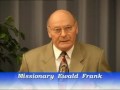
[...]Aş dori să mai citesc încă o dată acest text: „... dacă cerem ceva după voia Lui, ne ascultă. Şi dacă ştim că ne ascultă, orice i-am cere, ştim că suntem stăpâni pe lucrurile pe care I le-am cerut”.
Pentru fiecare temă biblică, există un număr mai mare de texte biblice. Unul dintre aceste texte este: „Tot ce veţi cere (după voia Lui) cu credinţă, prin rugăciune, veţi primi”. Aici ne este explicat acest lucru. Tot ce vom cere în voia lui Dumnezeu vom primi. S-ar putea ca dorinţele noastre proprii, să nu fie ascultate de fiecare dată, dar dacă ne vom ruga în voia lui Dumnezeu, atunci El ne va asculta.
Aş dori să vă spun tuturor din inimă un „Bun venit!” în Numele scump al Domnului nostru. Dumnezeu să vă binecuvânteze pe toţi din ţara noastră şi mai ales pe cei din alte ţări; Dumnezeu să ne binecuvânteze pe toţi! Odată am spus unui frate: „Dumnezeu să fie cu tine”. Iar fratele respectiv mi-a răspuns: „Ştii tu, mie mi-ar plăcea mai mult ca Dumnezeu să fie cu noi toţi, de aceea eu spun „Dumnezeu cu noi”. În felul acesta el m-a inclus şi pe mine, şi aceasta mi-a fost foarte preţios. Eu am fost foarte mulţumitor Domnului pentru o prezenţă atât de duhovnicească.
Dumnezeu este cu noi; acesta este numele Lui, Emanuel care înseamnă: „Dumnezeu este cu noi”. El nu este doar cu tine sau cu mine, ci Dumnezeu este cu noi; Emanuel, care, tălmăcit, înseamnă: „Dumnezeu este cu noi”. Şi dacă El este cu noi, atunci totul va fi foarte bine şi noi vom fi binecuvântaţi.
Dacă astăzi este cineva care este de prima dată în mijlocul nostru, atunci îi spunem din toată inima un „Bun venit!” Dacă este cineva de prima dată în mijlocul nostru, vă rog ridicaţi mâinile. Vă spunem un „Bun venit!” din toate inimile noastre. Dumnezeu să vă binecuvânteze! Voi, cei de aici din faţă, sunteţi cumva din Germania Democrată? Nu; voi sunteţi de aici. Bine.
Tinerii vor veni cu siguranţă în vreo doi sau trei ani, şi totul va fi altfel. Voi ştiţi foarte bine că am spus acest lucru acum câţiva ani în urmă, şi noi aşteptăm ca această schimbare să aibă loc, mai ales în Europa de Est. Deja am văzut şi am trăit anumite lucruri. Pentru noi va fi ceva de neînchipuit, şi totuşi adevărat. Dumnezeu poartă de grijă şi astfel, Cuvântul Lui este propovăduit până la marginile pământului, fiindcă El a făgăduit-o. Dacă noi ne vom ruga pentru asemenea lucruri, atunci cu siguranţă o vom face în Numele Lui, şi nu doar în Numele Lui, ci şi în voia Lui.[...]

freie-volksmission.de
Wild-Voice 2010
Tuesday, 2 November 2010
Viziunea 7000 - E. Frank [e-book]

Speculaţiile asupra acestui timp s-au înmulţit de la intrarea în noul mileniu. Experţii prevăd un tablou obscur pentru viitorul apropiat, în special în ceea ce priveşte Orientul Mijlociu. Da, există chiar unii, ca acel deputat al congresului din S.U.A., care a declarat că noi suntem poate prima generaţie care trebuie să se teamă că va fi ultima din civilizaţia prezentă. Se vorbeşte deschis despre escatologie şi despre infernul apocaliptic, care ar putea să izbucnească în scurt timp peste pământ. Evident, şi opinia publică este îngrijorată de ceea ce se va întâmpla în viitorul apropiat. Depindem noi de văzători în privinţa acestor teme aşa de importante? Trebuie să-i consultăm pe filozofi şi să-i interpretăm? Sau poate să-i vizităm pe ghicitori şi astrologi? Trebuie să ne întoarcem la Nostradamus sau la alţi auto-intitulaţi „ profeţi ” ca să găsim sfaturi şi să le explicăm predicţiile? Sau putem găsi răspunsuri adevărate şi sigure la toate aceste întrebări în Sfânta Scriptură? Da, cu siguranţă, căci este scris: „ avem Cuvântul proorociei făcut şi mai tare; la care bine faceţi că luaţi aminte, ca la o lumină care străluceşte într-un loc întunecos, până se va crăpa de ziuă şi va răsări luceafărul de dimineaţă în inimile voastre. ” (2 Petru 1:19).
O informare actuală din Sfânta Scriptură este necesară şi ar trebui să fie binevenită pentru fiecare om care vrea să afle sincer şi deschis despre lucrurile care se întâmplă acum. Dumnezeu, care este Atotştiutor, a putut să lase scris deja la începutul timpului, ceea ce se va întâmpla pânăla sfârşitul timpului. Oamenii scriu istoria pe baza evenimentelor deja împlinite. Dumnezeu a scris dinainte întreaga istorie a omenirii şi istoria mântuirii care se desfăşoară până la formarea noului cer şi al noului pământ, până când timpul se revarsă din nou în veşnicie. Evenimentele şi succesiunea lor sunt descrise cu claritate în Sfânta Scriptură. Ele sunt ireversibile şi iminente.
În Viziunea 7000 vrem să atragem atenţia mai întâi asupra lucrurilor care vor veni negreşit asupra noastră în viitorul apropiat şi apoi să arătăm calea de scăpare, înainte să vină judecata nimicitoare: „ Căci ziua aceea va veni ca un laţ peste toţi locuitorii pământului ” (Luca 21:34-46). În ceea ce priveşte desfăşurarea actuală, există într-adevăr o orientare clară din Sfânta Scriptură pe baza semnelor timpului: „Tot aşa şi voi, când veţi vedea toate aceste lucruri, să ştiţi că Fiul Omului este aproape, este chiar la uşi ” (Matei 24:33). Şi chiar dacă se pare că de 2000 de ani nu a mai intervenit nimic deosebit direct din cer şi oamenii nu cred că Dumnezeu intervine în istorie, totuşi se va întâmpla pentru că este prezis în Cuvântul lui Dumnezeu. [...]
www.evanghelia.ro
Saturday, 30 October 2010
Interviu cu Ewald Frank | Kinshasa | August 2010
 Dragi fraţi şi surori în Domnul, ca şi dăţile trecute, este încă o dată un mare privilegiu pentru mine de a avea ca invitat în această emisiune, un bărbat trimis cu adevărat de Dumnezeu. Citim în Biblie că: “A venit un om trimis de Dumnezeu; numele lui era Ioan”; şi cel pe care-l trimite Dumnezeu are cu adevărat pe „Aşa vorbeşte Domnul”, şi el vesteşte cu adevărat Cuvântul lui Dumnezeu. Avem privilegiul să-l avem în această emisiune pe iubitul nostru frate Frank care a vizitat de curând ţara noastră, şi noi ştim că el poartă o însărcinare pe care Domnul, personal i-a dat-o. Nu este o sarcină uşoară; şi fizic şi duhovniceşte vorbind, este o sarcină foarte grea.
Profităm de această ocazie şi îi vom pune câteva întrebări, pentru că noi suntem poporul care aşteaptă revenirea Domnului şi avem nevoie să primim răspunsuri direct din Cuvântul Domnului, pentru a şti cum să ne pregătim pentru ca acea zi, a revenirii Domnului, să nu ne surprindă; aşa cum spune Biblia, revenirea Domnului va fi ca a unui hoţ, noaptea. Dar noi suntem copii ai luminii şi Dumnezeu, într-un fel sau altul, ne-a trimis Cuvântul Său.
Reporter: Iubit frate Frank, vreau să vă adresez prima întrebare: Conform planului de mântuire al Dumnezeului Atotputernic, ştim, ca şi toţi adevăraţii credincioşi, că suntem la sfârşitul timpului de sfârşit şi că Domnul este pe cale să-Şi desăvârşească lucrarea Sa. În lumina Cuvântului profetic şi având în vedere ce se întâmplă în toată lumea, cum Îşi va desăvârşi Domnul lucrarea Sa, şi cum se va pregăti Mireasa Sa pentru a fi gata, având în vedere repeziciunea cu care se derulează toate lucrurile?
Fratele Frank: Înainte de toate aş vrea să vă salut pe toţi în scumpul Nume al Domnului nostru Isus Hristos. Este un mare privilegiu pentru mine de a fi astăzi aici, ca să împărtăşesc cu voi Cuvântul scump al lui Dumnezeu. [...]Citeste interviul.. ---> Download [doc]
©Wild-Voice 2010
Friday, 29 October 2010
Midnight Cry | Circular Letter | Spring 2005 [PDF]
Watchman, what of the night? Watchman, what of the night?
[...] True servants of God are watchmen placed with God’s people (Ezek. 3:17).
According to Mt. 25, there is a wake-up call, a midnight cry which is very
decisive. At first, all of the virgins fell asleep, then, there was a cry, “And at
midnight there was a cry made, Behold, the bridegroom cometh; go ye out to
meet him.” The night is far spent and the great day is at hand (Rom. 13:12).
The evening time which brought the light is behind us, the midnight hour is
here. Every sermon, every circular letter must be understood and received

as a wake-up call. The last message must be heard, as mighty as the sound
of a trumpet, and its sound must be clear (1. Cor. 14:8). No one should turn
to the other side and keep sleeping after having heard the midnight cry. All
listeners must clean their lamps, so the illumination we have received can
really shine forth as a light. The wise virgins fill their vessels with the oil of
the Holy Spirit, so they will have sufficient supply until the return of the
Bridegroom.
It seems like we have just left the old year behind us and yet we are
already well into the new year. Many good things can be reported in the
Kingdom of God. Never before have we received so many testimonies of the
supernatural working of God. The truthful proclamation of God’s Word has
helped many to find their balance in the knowledge of the truth and also in
all the doctrines. Obedience by faith is the work of the Holy Spirit and is
becoming increasingly obvious everywhere.
In all its truthfulness the last message is reaching the ends of the earth,
and those who believe as the Scripture says are expecting the final tremen-
dous work of God, the total restoration and their completion unto the day of
Jesus Christ (Phil. 1:10-11).
Soberly we observe the events in this last and serious time from the scrip-
tural viewpoint.
In this circular letter we shall deal with three current events:
1. We shall address the events of December 26th, 2004, when the
seaquake occurred in South-East Asia, causing a flood wave that
left behind a devastation unlike any we have previously experienced,
killing hundreds of thousands of people.
2. We will also talk about the significance of January 27th, 2005. It
marks the sixtieth anniversary of the liberation of the surviving Jew-
ish prisoners from the deadly concentration camp in Auschwitz. On
this day, special memorials were held in Israel, in Germany, and in
Auschwitz itself, where minutes of silence were observed in great
respect.
3. We shall refer to the book by Pope John Paul II titled “Remembrance
andIdentity — Talks between the Millenniums”, which was published
on February 23rd, 2005. [...]

>>> DOWNLOAD [PDF] <<<
freie-volksmission.de
Thursday, 14 October 2010


Tuesday, 7 September 2010

Tuesday, 10 August 2010
How Can I Overcome?
" How Can I Overcome? " by W.M. Branham


[...] Just think of it just a moment before we start our lesson. That's where you're headed. What are you struggling for? So you can live. What are you living for? So you can die. Wouldn't it be most foolish if we didn't accept God's provision for Eternal Life? What could we think about? What--what could be on our mind that would attract our attention from--to anything? What if you owned a hundred million dollars, and you owned the state of--of Indiana, or any other state, or even the nation, or as far as that's concerned, the entire world? You live long enough, you've got to come to that too. See? And constantly, day by day, every time your heart beats, you're going right straight to that. See, you--there's no winning for you. You're on the losing side, and you--you've got to lose. But remember the promise said, "He that'll lose his life for My sake shall find it." Now, what would be any more of a treasure to find than Life? Even though you found the whole world to be yours, but if you--if you find Life, you've found the greatest thing that could be found.
I want to look to my lesson. Saw again just now another trophy of the grace of the Lord. About a few weeks ago I was called to the phone, and a lovely member of this church, or this body... I don't want to call this so much as a church; I--I want to call this that... Like I was talking to some people they said, "Well, what church you belong to?"
I said, "I don't belong."
"What denomination do you belong to?"
I said, "None."
Said, "Well, what do you belong to?"
I said, "A Kingdom, a Kingdom." And by one Spirit we are baptized into that Kingdom, by one Spirit, all into this Kingdom. Jesus said, "Pray: Thy Kingdom come, Thine will be done on earth as it is in heaven." Now, and He stood one day before Mount Transfiguration; He said, "Verily, I say to you that some stand here shall not taste death until they see the Kingdom come in power." And it was foreshowed as we've been through it, Mount Transfiguration. And the Bible said, "The Kingdom of God is within you." So this is a Kingdom people that professes that this is not their home. This is not our home. We are looking for the coming of the King to set up the Kingdom. [...]
[...] And now, let's turn to Revelations the 3rd chapter at the church ages, repeating a church age. But now, we are--we... There--there... I could take this one text, and with the Holy Spirit, preach on it a hundred years and never get what's in it out, because in this one text, like all other texts of the Bible, it's all tied together. And I want to take my subject this morning of this, "How Can I Overcome?"
Now, I chose this, because that I think that it's a time that we should never let the Spirit of revival die. We've got to keep in revival, constantly revive every day. Paul said he had to die daily that Christ could live. And we must never let that revival die within us.
Now, Revelations the 3rd chapter and beginning with the 21st verse we read this:
To him that overcometh will I grant to set with me in my throne, even as I... overcome, and am set down with my Father in his throne.
He that has an ear, let him hear what the Spirit saith unto the churches.
Did you notice the--the arrangements of that? See? "Set with Me in My throne," not "on My throne," "in My throne." That's in His domain. See? And now, as--as Christ is the Ruler, throne Ruler at this time of the complete domain of God, so will the Church be with Him, the Bride be with Him in His throne in the entire domain. See? Not "on My throne," but "in My throne" (See?) where His domain reaches. A throne is over a domain. And--and a domain reaches just as far as its boundaries does, and this is from eternity to eternity. Just think of it.. [...]
[...] And now, we're speaking on this overcoming. The word "overcome," of course, you know what it means. You've got to have something to overcome. And this church age that the Holy Spirit was speaking about here at the Laodicea church age (as we have just been through it) needed a rebuking. Laodicea had to be rebuked, because of its--its difference towards Christ, it had put Christ outside in the day--in their age; and Christ was on the outside trying to get back on the inside. That's love. After He had been put out of His own house, was trying to come back in, and said, "He that'll open the door, I'll come in to him." See?
The church itself in whole had put Him out. But now notice, His call here is not to just the church: "He that overcometh. See? Not the church, that'd be she (See?) the church body, but it's he that overcometh, the individual that will overcome. Now, and Laodicea had it coming to her.
Now, we see then, knowing that this is the Laodicea age, and knowing that this age needs a sharp rebuke from God... It needs a sharp rebuke. And when our--our clergy get so soft and doty, like some aged grandfather to his grandchildren, ever what they do is perfect and they're... [...]


[...] Just think of it just a moment before we start our lesson. That's where you're headed. What are you struggling for? So you can live. What are you living for? So you can die. Wouldn't it be most foolish if we didn't accept God's provision for Eternal Life? What could we think about? What--what could be on our mind that would attract our attention from--to anything? What if you owned a hundred million dollars, and you owned the state of--of Indiana, or any other state, or even the nation, or as far as that's concerned, the entire world? You live long enough, you've got to come to that too. See? And constantly, day by day, every time your heart beats, you're going right straight to that. See, you--there's no winning for you. You're on the losing side, and you--you've got to lose. But remember the promise said, "He that'll lose his life for My sake shall find it." Now, what would be any more of a treasure to find than Life? Even though you found the whole world to be yours, but if you--if you find Life, you've found the greatest thing that could be found.
I want to look to my lesson. Saw again just now another trophy of the grace of the Lord. About a few weeks ago I was called to the phone, and a lovely member of this church, or this body... I don't want to call this so much as a church; I--I want to call this that... Like I was talking to some people they said, "Well, what church you belong to?"
I said, "I don't belong."
"What denomination do you belong to?"
I said, "None."
Said, "Well, what do you belong to?"
I said, "A Kingdom, a Kingdom." And by one Spirit we are baptized into that Kingdom, by one Spirit, all into this Kingdom. Jesus said, "Pray: Thy Kingdom come, Thine will be done on earth as it is in heaven." Now, and He stood one day before Mount Transfiguration; He said, "Verily, I say to you that some stand here shall not taste death until they see the Kingdom come in power." And it was foreshowed as we've been through it, Mount Transfiguration. And the Bible said, "The Kingdom of God is within you." So this is a Kingdom people that professes that this is not their home. This is not our home. We are looking for the coming of the King to set up the Kingdom. [...]
[...] And now, let's turn to Revelations the 3rd chapter at the church ages, repeating a church age. But now, we are--we... There--there... I could take this one text, and with the Holy Spirit, preach on it a hundred years and never get what's in it out, because in this one text, like all other texts of the Bible, it's all tied together. And I want to take my subject this morning of this, "How Can I Overcome?"
Now, I chose this, because that I think that it's a time that we should never let the Spirit of revival die. We've got to keep in revival, constantly revive every day. Paul said he had to die daily that Christ could live. And we must never let that revival die within us.
Now, Revelations the 3rd chapter and beginning with the 21st verse we read this:
To him that overcometh will I grant to set with me in my throne, even as I... overcome, and am set down with my Father in his throne.
He that has an ear, let him hear what the Spirit saith unto the churches.
Did you notice the--the arrangements of that? See? "Set with Me in My throne," not "on My throne," "in My throne." That's in His domain. See? And now, as--as Christ is the Ruler, throne Ruler at this time of the complete domain of God, so will the Church be with Him, the Bride be with Him in His throne in the entire domain. See? Not "on My throne," but "in My throne" (See?) where His domain reaches. A throne is over a domain. And--and a domain reaches just as far as its boundaries does, and this is from eternity to eternity. Just think of it.. [...]
[...] And now, we're speaking on this overcoming. The word "overcome," of course, you know what it means. You've got to have something to overcome. And this church age that the Holy Spirit was speaking about here at the Laodicea church age (as we have just been through it) needed a rebuking. Laodicea had to be rebuked, because of its--its difference towards Christ, it had put Christ outside in the day--in their age; and Christ was on the outside trying to get back on the inside. That's love. After He had been put out of His own house, was trying to come back in, and said, "He that'll open the door, I'll come in to him." See?
The church itself in whole had put Him out. But now notice, His call here is not to just the church: "He that overcometh. See? Not the church, that'd be she (See?) the church body, but it's he that overcometh, the individual that will overcome. Now, and Laodicea had it coming to her.
Now, we see then, knowing that this is the Laodicea age, and knowing that this age needs a sharp rebuke from God... It needs a sharp rebuke. And when our--our clergy get so soft and doty, like some aged grandfather to his grandchildren, ever what they do is perfect and they're... [...]
The sermon MP3 (as linked above) is supplied by David Mamalis.
The text was provided by Brother Neil Halava.
nathan.co.za
Subscribe to:
Posts (Atom)
Subscribe To


 Posts
All Comments
Posts
All Comments
Follow us by:


Copyright © Wild-Voice 2019 .All rights reserved
