Showing posts with label hoekstra. Show all posts

Tuesday, 22 March 2011

Pride and Shame or Humility and Wisdom [ Devotion ]

When pride comes, then comes shame; but with the humble is wisdom…The wise shall inherit glory, but shame shall be the legacy of fools. (Proverbs 11:2 and 3:35)

In order to live by the grace of God, we must be willing to walk in humility, instead of in pride. "God resists the proud, but gives grace to the humble" (1 Peter 5:5). We must be willing to acknowledge our daily, desperate need for God. Any other approach to life is based upon pride (which is a foolish, inaccurate assumption that we are adequate to produce a life on our own). Those who walk in pride end up with shame. Those who walk in humility end up with wisdom.
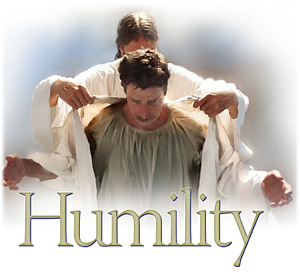
The Scriptures describe those who foolishly walk in pride, as well as declaring the shame that they experience. "When pride comes, then comes shame…shame shall be the legacy of fools." One example would be the wicked way that many privileged and powerful people persecute the downtrodden and the vulnerable. They are demonstrating their pride. "The wicked in his pride persecutes the poor; Let them be caught in the plots which they have devised" (Psalm 10:2). Their shame is that they can become entangled in the very schemes that they have contrived. Another example is seen in those who arrogantly oppose the people of God. "This they shall have for their pride, because they have reproached and made arrogant threats against the people of the LORD of hosts" (Zephaniah 2:10). Their shame was announced as a barrenness so severe as to be likened unto the end of Sodom and Gomorrah. "'Therefore, as I live,' says the LORD of hosts, the God of Israel, 'Surely Moab shall be like Sodom, and the people of Ammon like Gomorrah—overrun with weeds and saltpits, and a perpetual desolation'" (Zephaniah 2:9).

In contrast to the shame that comes to the prideful, is the wisdom (and resulting glory, or honor) that comes to the humble. "With the humble is wisdom… The wise shall inherit glory." Those who walk humbly before the Lord find the godly wisdom available in the Lord's infallible word. "The testimony of the LORD is sure, making wise the simple" (Psalm 19:7). This wisdom from God brings honor to the humble ones who live by it. "A man's pride will bring him low, but the humble in spirit will retain honor" (Proverbs 29:23). Again, this honor for the humble is in striking contrast to the wretched and ignoble end that pride engenders.

Dear Lord of Glory, how fitting that those who pridefully oppose You will be brought low and will end up in shame. I do not want to be numbered among them. I desire to walk in humility, to eagerly acknowledge my desperate need for You every day in every way, and to be compassionate toward the needy. I desire to bless Your people, to humbly seek the wisdom of Your word, and to be a vessel of honor unto You, through Christ Jesus, my Lord, Amen.

Bob Hoekstra

Tuesday, 4 January 2011

COMFORT AGAINST SORROW [ devotion ]

When we lose a loved one, life changes drastically.  For some, the loss is great–it is deeply personal.  It creates havoc in our lives and devastates us emotionally.  For others the loss is minimal.  For some, it’s simply a name and a paragraph or two in the obituary column.  Grief can be so overwhelming.  Sorrow grips one’s heart and tears it apart.  Some cannot eat, nor sleep, or function normally.  Things seem so out of control.  Beyond hope.  After funerals, and the mourners go home, the most deeply affected by the loss remain.  They have an empty chair, an empty bed, an empty house.  Indeed they have an emptiness of soul. Sometimes grief is too hard to bear.  We try to go on, but nothing we do gives us comfort.  We may think we are beyond hope as Jeremiah relates:

“Oh that I could comfort myself against sorrow [for my grief is beyond healing], my heart is sick and faint within me.” Jeremiah 8:18.

I’ve had times like this. Sometimes it is not the loss of a loved one.  It may be the loss of a relationship.  Or overcoming rejection and criticism.  In these times I wish I could comfort myself…I look for ways.  I sleep.  I lie in the hammock and read.  I listen to music and sometimes sing along.  I go to lunch with friends.  I busy myself and try to cram as much as I can into each hour so I do not have a moment to reflect on the void within me.  I fall into my husband’s arms and say “I need a hug”.  It feels good, even if he doesn’t understand my heartache.  Inwardly I cry.  Oh my soul why am I cast down, O Lord?  What makes me forget You in the darkness of an hour?  What causes me to rail against the chords of Your sufficiency?  Why must I seek to comfort myself when You stand ready to lift me up?  My husband’s arms remind me of the strength I have in Jesus, the warmth of His comfort.  In Him is the peace that none other can impart.  In Him is the rest, the healing.  For He is acquainted with all our griefs.  Comfort comes from within–within the body of Jesus Christ Himself Who dwells within my soul and moves within my spirit.  

PRAYER:  Lord, we know You are our comfort.  We know You are always ready to embrace us and surround us with Your love.  You’ve walked where we walk, You’ve grieved as we grieve.  Keep us mindful of Your presence in the darkness of our souls.  Restore Your light to our spirit and peace to our hearts.  selahV

© Hariette Petersen, SelahV Today, 2010
devotionalchristian.com


Tuesday, 7 December 2010

Schimbari [ Devotion ]

"Ca vulturu care isi scutura cuibul,... asa a calauzit Domnul singur pe poporul Sau. " - Deut. 32:11,12

Schimbarile care survin in vietile noastre produc, deseori, inlauntrul nostru sentimente care se contrazic. Asteptam schimbarile nerabdatori, si in acelasi timp ne este groaza de ele.
Prima schimbare mare din viata mea a avut loc atunci cand am inceput sa merg la scoala. Locuiam la o ferma in Dakota de Nord, si nu am avut contact pana atunci decat cu cateva rude si cativa prieteni. Nu mi-a placut ideea de a fi cu copii pe care nu-i cunosteam - unii din ei provenind din alte medii culturale. Dar totusi doream sa fiu "destul de mare" ca sa traversez campul pana la scoala, impreuna cu verisorii mei. Din fericire, colegii de clasa au fost prietenosi, astfel ca mi-a placut la scoala. Acele schimbari timpurii au fost bune pentru mine.
    Si israelitii trebuie sa fii incercat aceleasi sentimente contradictorii atunci cand s-au pregatit sa cucereasca Tara Promisa. Planul de a intra intr-o tara "unde curge lapte si miere" era grozav, dar le era teama de vrajmasii lor. De aceea, Moise le-a pus in fata un tablou. El le-a vorbit despre puii de vulturi care nu vor sa-si paraseasca cuibul si sa-si incerce aripile. Dar spre binele lor, vulturul mama trebuie sa-i oblige sa-si paraseasca cuibul, iar dupa aceea planeaza in jurul lor ca sa le asigure protectia.
    Intocmai dupa cum puii de vultur n-ar zbura niciodata daca nu ar fi inmpinsi din cuibul lor, nici noi credinciosii n-am invata sa urcam spre culmi, daca Dumnezeu nu ar produce fortat anumite schimbari in viata noastra. N-avem de ce sa ne temem. El ne asigura de dragostea si grija Sa, oricat de mari vor fi schimbarile. [-H.V.L.]

Viata mea-i in mana Tatalui meu,
Si ce-as puta dori sau cere mai mult ?
Caci El care mi-a croit cararile mereu
Ma va calauzi pana la sfarsit de drum.
[-Fraser]

Poate ca ajungem in situatii care depasesc posibilitatile rezervelor noastre, dar ele nu vor depasi niciodata resursele lui Dumnezeu.

Saturday, 20 November 2010

The Source of Faith [ Devotion ]

The Source of Faith
Looking unto Jesus, the author and finisher of our faith. (Hebrews 12:2)

In order to grow in grace, we must live by faith. "Therefore it is of faith that it might be according to grace" (Romans 4:16). We cannot progress spiritually by the use of our natural, Adamic faculties. We must walk by faith in the Lord and His word. "We walk by faith, not by sight" (2 Corinthians 5:7). Yet, where do we get faith? What is the source of faith?

Jesus is the source of our faith: "Jesus, the author… of our faith." If we have saving faith in Christ, it was brought into being by Him. Our faith was authored by Jesus in a revelatory and relational manner. He revealed to us the truth we needed to know (through sermons, personal witnesses, tracts, audio tapes, books, Bible reading, or whatever). Then, He invited us into a relationship with Himself.

First, He told us the truth about our need. "For all have sinned and fall short of the glory of God…For the wages of sin is death" (Romans 3:23 and 6:23a). Then, He told us the truth about His loving work on our behalf. "But God demonstrates His own love toward us, in that while we were still sinners, Christ died for us" (Romans 5:8). All the while, His Spirit was convicting us of the reality of these matters. "And when He [the Holy Spirit] has come, He will convict the world of sin, and of righteousness, and of judgment" (John 16:8). Ultimately, Jesus invited us to trust in Him for the gift of salvation. "Come to Me, all you who labor and are heavy laden, and I will give you rest.…the gift of God is eternal life in Christ Jesus our Lord" (Matthew 11:28 and Romans 6:23b). Basically, Jesus revealed Himself to us as the one who could be trusted to save our souls, so we placed our hope in Him. Thereby, He authored faith in us.

Now, where are we to go for more faith (for the developing of our faith)? Jesus is the source for this need as well: "Jesus…the… finisher of our faith." The one who authored faith in us now wants to perfect our faith (to mature it) in the same manner that He began it. Initially, we had to have Jesus revealed to us to have faith authored in us. Now, we must have a continuing revelation of Him through His word, if our faith is to be increasingly built up.

Lord Jesus, I praise You for authoring faith in me. Thank You for convincing me of my need of forgiveness of sins. Thank You for revealing to me Your great work on the cross. Thank You for inviting me to enter into a relationship with You. Please continue to reveal Yourself to me that my faith might grow and mature, Amen.

Bob Hoekstra
blueletterbible.org

Saturday, 30 October 2010

A Quiet Time [ Devotion ]

Do you know what quiet time is? It is fellowship with a holy God. The reason that some people do not have a quiet time is that they feel uncomfortable. They don't want to look God in the face because there is unconfessed, unrepented sin in their life.

What did Adam do after he sinned and God came walking in the Garden? Adam fled. Before that, Adam had quiet time alone with God, didn't he? They conversed, they communed. It was paradise. But when Adam sinned, he did not want to look God in the face.

When Moses went into God's presence, God said, "Draw not nigh hither: put off thy shoes from off thy feet, for the place whereon thou standest is holy ground. Moreover He said, I am the God of thy father, the God of Abraham, the God of Isaac, and the God of Jacob. And Moses hid his face; for he was afraid to look upon God." God cannot be in the presence of sin because He is holy.

If you find a reluctancy to go into the presence of God, there may be unconfessed, unrepented sin in your life. Part of your quiet time is to get your heart clean and pure. Each of us needs to take ourselves by the nap of our necks and confess and repent before we come into God's holy presence to fellowship. Psalm 66 verse 18 says, "If I regard iniquity in my heart, the Lord will not hear me.


By Adrian Rogers. © 2006 Love Worth Finding Ministries. Website. www.lwf.org.
 Christianity.com

Friday, 15 October 2010

Nothing of the Old Life! [ Devotion ]

If anyone is in Christ, he is a new creation; old things have passed away; behold, all things have become new —2 Corinthians 5:17
Our Lord never tolerates our prejudices— He is directly opposed to them and puts them to death. We tend to think that God has some special interest in our particular prejudices, and are very sure that He will never deal with us as He has to deal with others. We even say to ourselves, “God has to deal with other people in a very strict way, but of course He knows that my prejudices are all right.” But we must learn that God accepts nothing of the old life! Instead of being on the side of our prejudices, He is deliberately removing them from us. It is part of our moral education to see our prejudices put to death by His providence, and to watch how He does it. God pays no respect to anything we bring to Him. There is only one thing God wants of us, and that is our unconditional surrender.
When we are born again, the Holy Spirit begins to work His new creation in us, and there will come a time when there is nothing remaining of the old life. Our old gloomy outlook disappears, as does our old attitude toward things, and “all things are of God” (2 Corinthians 5:18). How are we going to get a life that has no lust, no self-interest, and is not sensitive to the ridicule of others? How will we have the type of love that “is kind . . . is not provoked, [and] thinks no evil”? (1 Corinthians 13:4-5). The only way is by allowing nothing of the old life to remain, and by having only simple, perfect trust in God— such a trust that we no longer want God’s blessings, but only want God Himself. Have we come to the point where God can withdraw His blessings from us without our trust in Him being affected? Once we truly see God at work, we will never be concerned again about the things that happen, because we are actually trusting in our Father in heaven, whom the world cannot see.

Wednesday, 15 September 2010

THE FOLLY OF BEING UNPREPARED [ Devotion ]


"While they went to buy, the Bridegroom came; and they that were ready went in with Him to the marriage: and the door was shut." -- Mat_25:10.


THE FOOLISH virgins made five great mistakes.

(1)They made no provision for the continuance of their light. It is not enough merely to have the lamp; it must be lit and maintained, because there is something for the fire to feed on. How many there are who are on fire and in earnest during the first stage of their religious life, but they have made no provision for maintaining the flame which has been kindled by the grace of God. They have lamps, but have neglected to take oil. The oil stands for fellowship with the Lord Jesus, for the grace of the Holy Spirit, for the daily study of the Bible, for the kindling communion of worship with fellow-Christians.

(2)They slept. There was a difference between the sleep of the foolish and that of the wise. There are two kinds of sleep. The one arises from a sense of security and trust. Every preparation has been made; all has been done that could be done, and we resign ourselves deliberately to the care of God. So Peter slept in the prison, before the angel came to deliver him. But there is another kind of sleep. The sleep of the sentry, when the foe is stealing up the pass; of the pilot, when the ship is making for the serried teeth of the rocks; of the nurse, when the patient's life is quivering in the balance. These foolish ones had no right to sleep, when they were so utterly unready to meet the Bridegroom. We must not take things for granted, or say "Peace, peace, when there is no peace!"

(3) They thought they could procure oil from the wise. But the appeal was in vain. Each must bear his own burden of responsibility in the sight of God. We may "buy without money and without price," but each must appropriate the living grace and power of Jesus for himself.

(4)They thought they could get in; "Lord, Lord, open to us!" But the door was irrevocably closed! "How shall we escape, if we neglect so great salvation?"

(5)They thought that the Bridegroom would recognize them. But He said: "I know you not." Let each ask himself: "Does Jesus know me? Will he recognize me at last?" The only way to be sure, is to kneel at the foot of His Cross until He seals us with the Holy Spirit, and says: "Fear not, for I have redeemed thee; I have called thee by thy name, thou art Mine."

PRAYER
O Lord, we pray that our lives may be lamps to which Thou shalt supply oil. Help us to be burning and shining lights for this dark world. AMEN.


© Joyce Meyer

Tuesday, 20 July 2010

The Opened Sight

“I now send you, to open their eyes ... that they may receive forgiveness of sins ...” Ac 26:17-18
 
This verse is the greatest example of the true essence of the message of a disciple of Jesus Christ in all of the New Testament.
God's first sovereign work of grace is summed up in the words, “... that they may receive forgiveness of sins ...” When a person fails in his personal Christian life, it is usually because he has never received anything. The only sign that a person is saved is that he has received something from Jesus Christ. Our job as workers for God is to open people's eyes so that they may turn themselves from darkness to light. But that is not salvation; it is conversion — only the effort of an awakened human being. I do not think it is too broad a statement to say that the majority of so-called Christians are like this. Their eyes are open, but they have received nothing. Conversion is not regeneration. This is a neglected fact in our preaching today. When a person is born again, he knows that it is because he has received something as a gift from Almighty God and not because of his own decision. People may make vows and promises, and may be determined to follow through, but none of this is salvation. Salvation means that we are brought to the place where we are able to receive something from God on the authority of Jesus Christ, namely, forgiveness of sins.
This is followed by God's second mighty work of grace: “... an inheritance among those who are sanctified ...” In sanctification, the one who has been born again deliberately gives up his right to himself to Jesus Christ, and identifies himself entirely with God's ministry to others.


 My Utmost for His Highest - Oswald Chambers

Thursday, 15 July 2010

Have You Ever Been Alone with God?

 “When they were alone, He explained all things to His disciples.” Mk 4:34

 Our Solitude with Him.

Jesus doesn't take us aside and explain things to us all the time; He explains things to us as we are able to understand them. The lives of others are examples for us, but God requires us to examine our own souls. It is slow work — so slow that it takes God all of time and eternity to make a man or woman conform to His purpose. We can only be used by God after we allow Him to show us the deep, hidden areas of our own character. It is astounding how ignorant we are about ourselves! We don't even recognize the envy, laziness, or pride within us when we see it. But Jesus will reveal to us everything we have held within ourselves before His grace began to work. How many of us have learned to look inwardly with courage?
We have to get rid of the idea that we understand ourselves. That is always the last bit of pride to go. The only One who understands us is God. The greatest curse in our spiritual life is pride. If we have ever had a glimpse of what we are like in the sight of God, we will never say, “Oh, I'm so unworthy.” We will understand that this goes without saying. But as long as there is any doubt that we are unworthy, God will continue to close us in until He gets us alone. Whenever there is any element of pride or conceit remaining, Jesus can't teach us anything. He will allow us to experience heartbreak or the disappointment we feel when our intellectual pride is wounded. He will reveal numerous misplaced affections or desires — things over which we never thought He would have to get us alone. Many things are shown to us, often without effect. But when God gets us alone over them, they will be clear.


 My Utmost for His Highest - Oswald Chambers 

Monday, 12 July 2010

“Clouds and Darkness”

“Clouds and darkness surround Him ...” Ps 97:2
 
A person who has not been born again by the Spirit of God will tell you that the teachings of Jesus are simple. But when he is baptized by the Holy Spirit, he finds that “clouds and darkness surround Him ...” When we come into close contact with the teachings of Jesus Christ we have our first realization of this. The only possible way to have full understanding of the teachings of Jesus is through the light of the Spirit of God shining inside us. If we have never had the experience of taking our casual, religious shoes off our casual, religious feet — getting rid of all the excessive informality with which we approach God — it is questionable whether we have ever stood in His presence. The people who are flippant and disrespectful in their approach to God are those who have never been introduced to Jesus Christ. Only after the amazing delight and liberty of realizing what Jesus Christ does, comes the impenetrable “darkness” of realizing who He is.
Jesus said, “The words that I speak to you are spirit, and they are life” ( Jn 6:63 ). Once, the Bible was just so many words to us — “clouds and darkness” — then, suddenly, the words become spirit and life because Jesus re-speaks them to us when our circumstances make the words new. That is the way God speaks to us; not by visions and dreams, but by words. When a man gets to God, it is by the most simple way — words.
 

 My Utmost for His Highest  - Oswald Chambers 

Tuesday, 6 July 2010

Don’t Plan Without God


Commit your way to the Lord, trust also in Him, and He shall bring it to pass —Psalm 37:5
Don’t plan without God. God seems to have a delightful way of upsetting the plans we have made, when we have not taken Him into account. We get ourselves into circumstances that were not chosen by God, and suddenly we realize that we have been making our plans without Him— that we have not even considered Him to be a vital, living factor in the planning of our lives. And yet the only thing that will keep us from even the possibility of worrying is to bring God in as the greatest factor in all of our planning.
In spiritual issues it is customary for us to put God first, but we tend to think that it is inappropriate and unnecessary to put Him first in the practical, everyday issues of our lives. If we have the idea that we have to put on our “spiritual face” before we can come near to God, then we will never come near to Him. We must come as we are.
Don’t plan with a concern for evil in mind. Does God really mean for us to plan without taking the evil around us into account? “Love . . . thinks no evil” ( 1 Corinthians 13:4-5  ). Love is not ignorant of the existence of evil, but it does not take it into account as a factor in planning. When we were apart from God, we did take evil into account, doing all of our planning with it in mind, and we tried to reason out all of our work from its standpoint.
Don’t plan with a rainy day in mind. You cannot hoard things for a rainy day if you are truly trusting Christ. Jesus said, “Let not your heart be troubled . . .” (John 14:1 ). God will not keep your heart from being troubled. It is a command— “Let not. . . .” To do it, continually pick yourself up, even if you fall a hundred and one times a day, until you get into the habit of putting God first and planning with Him in mind.


http://utmost.org

Monday, 5 July 2010

[ Devotion] “Called to be saints.” - Rom_1:7

We are very apt to regard the apostolic saints as if they were “saints” in a more especial manner than the other children of God. All are “saints” whom God has called by His grace, and sanctified by His Spirit; but we are apt to look upon the apostles as extraordinary beings, scarcely subject to the same weaknesses and temptations as ourselves. Yet in so doing we are forgetful of this truth, that the nearer a man lives to God the more intensely has he to mourn over his own evil heart; and the more his Master honours him in his service, the more also doth the evil of the flesh vex and tease him day by day. The fact is, if we had seen the apostle Paul, we should have thought him remarkably like the rest of the chosen family: and if we had talked with him, we should have said, “We find that his experience and ours are much the same. He is more faithful, more holy, and more deeply taught than we are, but he has the selfsame trials to endure. Nay, in some respects he is more sorely tried than ourselves.” Do not, then, look upon the ancient saints as being exempt either from infirmities or sins; and do not regard them with that mystic reverence which will almost make us idolaters. Their holiness is attainable even by us. We are “called to be saints” by that same voice which constrained them to their high vocation. It is a Christian’s duty to force his way into the inner circle of saintship; and if these saints were superior to us in their attainments, as they certainly were, let us follow them; let us emulate their ardour and holiness. We have the same light that they had, the same grace is accessible to us, and why should we rest satisfied until we have equalled them in heavenly character? They lived with Jesus, they lived for Jesus, therefore they grew like Jesus. Let us live by the same Spirit as they did, “looking unto Jesus,” and our saintship will soon be apparent.

Soundtrack


Daily Devotion - Spurgeon

Thursday, 10 June 2010

Christ in Us, Our Hope of Glory

To them God willed to make known what are the riches of the glory of this mystery among the Gentiles: which is Christ in you, the hope of glory.  (Col_1:27)

We have been considering the wondrous truth that we who believe in Jesus are in Christ. "Blessed be the God and Father of our Lord Jesus Christ, who has blessed us with every spiritual blessing in the heavenly places in Christ" (Eph_1:3). All that God has for us is ours "in Christ." We can now enjoy the benefits of who Christ is and all that He has accomplished for us, because we are in Him. Our present verse adds another extraordinary dimension. Not only are we "in Christ," but Christ is also in us: "Christ in you, the hope of glory."
God wants to make something known among all the nations: "to make known... among the Gentiles." The message He desires to reveal is glorious in spiritual richness: "the riches of the glory of this mystery." However, it truly is a mystery, in the New Testament use of that term. A biblical mystery is something that can only be known by the revealing work of God. The mysteries of the scriptures cannot be discovered or understood by intellectual investigation or personal experience. God Himself must make them known. The Lord does this through the grace-empowered, Spirit-empowered proclamation of His word. Here, the great mystery God wants to unfold is "Christ in you, the hope of glory."

What a grand hope this message brings! Jesus, the Son of God, is willing to come and dwell within us to assure us of making it to glory (heaven) some day. Meanwhile, Christ wants to reside at the very core of our being: "that Christ may dwell in your hearts by faith" (Eph_3:17). As we are trusting in Him, He is living in, and working through, our hearts. Then, from this strategic point of intimacy and access, He gives us heavenly hope. That confident expectation includes the joyous fact that He is coming again: "looking for the blessed hope and glorious appearing of our great God and Savior Jesus Christ" (Tit_2:13). Yet, His return is not our only hope. He, Himself, is our day by day hope: "Paul, an apostle of Jesus Christ, by the commandment of God our Savior and the Lord Jesus Christ, our hope" (1Ti_1:1). Jesus is our comprehensive hope!

Lord Jesus, my hope, I praise You for the hope You give — anticipation of Your return, assurance of heaven, and daily confidence in Your working in me. Forgive me, Lord, for the times I place my hope and confidence elsewhere. Teach me, help me to put my hope in You alone, in Your faithful name I pray, Amen.


Bob Hoekstra

Sunday, 6 June 2010

[ Devotion ] The Crucial Choice: Flesh or Spirit

Those who live according to the flesh set their minds on the things of the flesh, but those who live according to the Spirit, the things of the Spirit. For to be carnally minded is death, but to be spiritually minded is life and peace.  (Rom_8:5-6)

The crucial choice that believers in Christ face day by day is between living by the flesh or living by the Spirit. The difference concerns facing life by our resources and perspectives or by God's. "Those who live according to the flesh set their minds on the things of the flesh, but those who live according to the Spirit, the things of the Spirit." When a Christian deals with life by his flesh, he typically thinks about "what I want out of my life" or "what I can accomplish with my life." Conversely, when a Christian deals with life by the Spirit, he typically thinks about "what God wants for my life" or "what God can accomplish through my life."

The consequences related to this choice are monumental. "For to be carnally minded is death, but to be spiritually minded is life and peace." When a believer allows his mind to be set in a carnal direction, he will be thinking about worldly self-indulgence ("what I can get out of this") or religious self-accomplishment ("what I can do for God"). The result of either carnal perspective is "death" (spiritual deadness). On the other hand, when a follower of Jesus sets his mind on heavenly matters, he will be considering issues of humility ("how much I need the Lord") or faith ("how great the Lord is"). The results of such spiritual thoughts are "life and peace" (spiritual vitality and spiritual tranquility).

Another analysis of these two options can be seen in the contrast between the "works of the flesh" and the "fruit of the Spirit." When we put our hope in our own capabilities, our flesh produces deeds such as "adultery, fornication, uncleanness, licentiousness, idolatry, sorcery, hatred, contentions, jealousies, outbursts of wrath, selfish ambitions, dissensions, heresies, envy, murders, drunkenness, revelries, and the like" (Gal_5:19-21).
Contrariwise, when we place our expectations upon the Lord, His Spirit brings forth through us fruit like "love, joy, peace, longsuffering, kindness, goodness, faithfulness, gentleness, self-control" (Gal_5:22-23).
Consider this fundamental truth. These "flesh-Spirit" choices are what all of us will face every day of our lives. The persistency of these issues is inherent in the fact that God only offers two options for every issue of life; namely, "live according to the flesh" or "live according to the Spirit."

O Sovereign Lord, I bow to Your wisdom and authority that offers these two choices alone. Lord, I renounce the natural path of my flesh which brings severe, but deserved, consequences. I gladly embrace the supernatural path of Your Spirit, which brings the undeserved results of Your grace at work in me, Amen.

Friday, 4 June 2010

[ Devotion ] New Creatures in Christ

Therefore, if anyone is in Christ, he is a new creation; old things have passed away; behold, all things have become new.  (2Co_5:17)

Everyone who is "in Christ," through faith in His name, is a "new creation." We are new people. We are no longer who we were before we put our trust in the Lord Jesus. We are not the old person reformed or improved; we are a "new creation." Yes, we have the same body, but that is a mere tent in which we dwell. "For we know that if our earthly house, this tent, is destroyed, we have a building from God, a house not made with hands, eternal in the heavens" (2Co_5:1). Some day in glory, we will trade this temporal, earthly tent for an eternal heavenly one. Meanwhile, though we live in the same old tent we had in Adam, we are new tenants, a "new creation." We may have the same old physical brain, but we are learning to think an entirely new way. "We have the mind of Christ... be transformed by the renewing of your mind" (Rom_12:2 and 1Co_2:16). Christ lives in us, and His Spirit also dwells in us. His Spirit takes the word of God and unfolds the thinking of our Lord for us. As we embrace God's way of thinking more and more, we are transformed to walk in the newness that is ours in "in Christ."

In all the ways that matter before God, "old things have passed away; behold, all things have become new." The old guilt is replaced by new forgiveness. "There is therefore now no condemnation to those who are in Christ Jesus... in whom we have... the forgiveness of sins" (Rom_8:1 and Col_1:14).

The old foolishness is replaced by new wisdom. "For the wisdom of this world is foolishness with God... But of Him you are in Christ Jesus, who became for us wisdom from God" (1Co_3:19 and 1Co_1:30). The old unrighteousness is replaced with new righteousness. "All our righteousnesses are like filthy rags... For He made Him who knew no sin to be sin for us, that we might become the righteousness of God in Him" (Isa_64:6 and 2Co_5:21). The old hope of changing (self-help) is replaced by new hope of changing (sanctification, God changing us). "Cursed is the man who trusts in man and makes flesh his strength... You are in Christ Jesus, who became for us... sanctification" (Jer_17:5 and 1Co_1:30). This is grace upon grace.

 O Lord, my hope, I thank You for making me a new person in Christ. Please strengthen my heart to spend time in Your word that I might hear more of these grand truths. Lord, I yearn to walk in more of this rich newness of life, in Jesus name, Amen.


Bob Hoekstra

Wednesday, 10 March 2010

[Daily Devotions] Under Grace, Not Law

For sin shall not have dominion over you: for you are not under law but under grace. (Rom_6:14)

Sin dominates every one's life, unless they are learning of God's remedy. Grace is our only hope that sin will no longer dominate our lives. Furthermore, grace is a sufficient hope that sin need not exercise a dominating influence over us.

Before we came to faith in Jesus Christ, we were fully under the dominion of sin. We were condemned before God because of our sin. Others may not have been aware of our truly sinful condition. Still, we were so controlled by sin that God called us "slaves of sin" (Rom_6:6).

The law brought us no hope of escape. In fact, the law condemned us (Rom_3:19). We could never have found freedom from sin's condemnation by attempting to perform better under the law of God, for "by the works of the law no flesh shall be justified" (Gal_2:16).

On the other hand, the grace of God is our fully effective hope. There is forgiveness of sins by His grace (Eph_1:7). There is justification through faith by the grace of God (Gal_2:16). There is growth in spiritual life by the grace of God (2Pe_3:18). None of these heavenly blessings become ours from attempting by our ability to live up to the law standards of Almighty God.

Our relationship with the Lord is based upon grace, not upon law. We began a walk with the Lord by His grace at work for us. We continue to walk with Him by His grace at work in our lives.

O Lord, my God, I rejoice greatly that I am under Your grace and not under Your law. Your holy law rightly condemned me for my trespasses against You. I thank You for forgiving my sins by Your glorious grace. I praise You for justifying me, declaring me not guilty in Your sight, by Your rich grace. I extol You for continuing to touch and shape my life by Your inexhaustible grace, in the name of Christ Jesus, my Lord. Amen


Bob Hoekstra

Wednesday, 3 March 2010

[Daily Devotions] Jesus Given for Us to be Given to Us

For if when we were enemies we were reconciled to God through the death of His Son, much more, having been reconciled, we shall be saved by His life. (Rom_5:10)

As the ultimate free gift of God's grace, Jesus was given for us (dying for our sins): "He who did not spare His own Son, but delivered Him up for us all" (Rom_8:32). Moreover, He was given for us to be given to us (that He might express His life in and through us).

We began as enemies of God. Certainly, we were lost and condemned. Yet, our situation was even worse than that. Our lives worked against the purposes and plans of God: "And you, who once were alienated and enemies in your mind by wicked works" (Col_1:21). Our evil thoughts and activities set us against the Lord in both mind and deed. The only way that we could become the friends of God was for Jesus to be given as a sacrifice for us. "When we were enemies we were reconciled to God through the death of His Son." The Lord had to deal with our dual problem of sin and unrighteousness. "For He made Him who knew no sin to be sin for us, that we might become the righteousness of God in Him" (2Co_5:21). The Father graciously placed our sins on His Son that He might give His righteousness to us. For all who would believe in Christ, this brought the precious gift of reconciliation (the turning of enemies into friends).

Even after this rich grace of reconciliation, the Lord had "much more" yet to give us. "For if when we were enemies we were reconciled to God through the death of His Son, much more, having been reconciled, we shall be saved by His life." What remained after Jesus being given for us (for our reconciliation) was for Him to be given to us. This is related to Jesus coming to dwell within us that we could be "saved by His life." Why do the friends of Jesus still need to be saved? Well, His followers would be persistently threatened by the world, the flesh, and the devil. They would still be vulnerable to such matters as, temptation, doubt, fear, fruitlessness, distraction, inadequacy, and more. How then would they be saved? This ongoing rescuing work of the Lord would be "by His life" — by Jesus living in and through His people. "It is no longer I who live, but Christ lives in me" (Gal_2:20). Jesus was not, and is not, susceptible to any of these threatening issues. When He is allowed to express His life in and through us, each of us finds all that we need all of the time.This astounding statement is true, because "Christ is all and in all" (Col_3:11).

Dear Father, my reconciler, I thank You for giving Your Son for me, that I might be changed from Your enemy to Your friend by His death. Yet, much more, I praise You for giving Your Son to me, that I might be saved from spiritual futility day by day by His life. Lord Jesus, live in and through me, I humbly pray, Amen.


Bob Hoekstra

Sunday, 7 February 2010

[Daily Devotions] Humility and Grace

Be clothed with humility, for "God resists the proud, but gives grace to the humble." (1Pe_5:5)

We have considered that humility and faith must be developing within our lives, if we are going to grow in grace. Let's take a few days to reconsider each, looking first at humility. "God resists the proud, but gives grace to the humble."

Pride leads the list of things that God despises. "These six things the LORD hates, yes, seven are an abomination to Him: A proud look, a lying tongue . . . . " (Pro_6:16-17). God wants our lives to be edified; pride is destructive. "Pride goes before destruction, and a haughty spirit before a fall" (Proverbs 16:18). The Lord desires that people be established in truth; pride is deceptive. "The pride of your heart has deceived you" (Oba_1:3). It is God's will that lives grow in things that are honorable; pride brings disgrace. "When pride comes, then comes shame" (Pro_11:2). Our Lord does not want His name dishonored or our lives destroyed by pride.

On the other hand, humility is a character trait that God loves to develop in us. This can be observed by the terms God uses in His word when addressing humility. "Better to be of a humble spirit with the lowly, than to divide the spoil with the proud" (Pro_16:19). The Lord reveals that we are better off being a humble person, who associates with modest people, than to partake of the wealth that the arrogant can often accumulate.

Also the Lord says, "Blessed are the poor in spirit, for theirs is the kingdom of heaven" (Mat_5:3). Here we are told that humility is a blessing, because the spiritual realm of God's rule and God's provisions are given to the humble.

Elsewhere God revealed, "I dwell in the high and holy place, with him who has a contrite and humble spirit, to revive the spirit of the humble, and to revive the heart of the contrite ones" (Isa_57:15). Although our Lord is most fully revealed in His heavenly abode on high, He also dwells with humble and broken lives on earth below, in order to bring them spiritual revitalization.

Of course, we cannot manufacture humility. It is a relational reality. It results from getting to know the Lord. Isaiah discovered this. "I saw the Lord sitting on a throne, high and lifted up . . . Then I said: 'Woe is me, for I am undone'! " (Isa_6:1,5). When the Lord was revealed in all His glory, Isaiah responded in profound humility. This can be happening in our lives, as we get into the scriptures, seeking a deeper relationship with the Lord. As He is increasingly revealed to us, our response will be more humility.

O God Most High, I repent of those many times when pride was the despicable attitude that I displayed. Lord, teach me to despise pride as You do. Stir in my heart a growing appreciation of humility. I desire to be clothed with humility. I humbly seek You afresh that I might live by the grace of the Lord Jesus Christ, Amen.


Bob Hoekstra

Friday, 5 February 2010

[Daily Devotions] Living by Grace: Humility and Faith

God resists the proud, but gives grace to the humble . . . through whom also we have access by faith into this grace in which we stand. (Jam_4:6 and Rom_5:2)

How does a believer in Jesus Christ access the ongoing, sanctifying grace of God for daily godliness? It is accessed the same way that the initial, justifying grace of God was acquired - - by humility and faith. We were justified, declared righteous in God's sight, when we humbly trusted in the Lord Jesus. We humbly agreed with the Lord's account of our guilty condition. "For all have sinned and fall short of the glory of God . . . For the wages of sin is death" (Rom_3:23; Rom_6:23). We also put our trust in Christ concerning His offer of life (based upon His death and resurrection on our behalf). "But the gift of God is eternal life in Christ Jesus our Lord" (Rom_6:23). Thereby we partook of the justifying grace of God, through humility and faith.This is how the Lord wants us to continue to relate to Him for sanctifying grace.

Our God wants us to walk in humility, because grace is what we need for growth in godly living. Remember this great truth of grace: "But grow in the grace . . . of our Lord and Savior Jesus Christ" (2Pe_3:18). If we are unwilling to walk in humility, we will not enjoy this wondrous sanctifying impact of grace, because "God resists the proud, but gives grace to the humble." When we live by self-sufficiency, God's resists us. When we function in humility, God gives us grace for living.
Our God also wants us to walk in faith, because faith accesses grace. "Through whom [Christ] also we have access by faith into this grace in which we stand." We now stand in a kingdom that offers "grace upon grace" (Joh_1:16). Abundant grace is available for every step we are to take. This grace is partaken of by faith. Whenever we trust in the Lord Jesus concerning any issue of life, we are reaching by faith into God's unlimited resources of grace, by which we are enabled to live effectively.

Hereby we see that living by grace involves two relational realities: humility and faith. We do not produce either. Neither are a work. Humility admits we cannot do the work (of being holy, loving, perfect). Faith relies upon the work of another, the Lord Jesus Christ. They are both relational realities, since they become real in our lives through a growing relationship with the Lord. The more we get to know the Lord Jesus Christ, to that degree humility and faith will become realities in our lives.

O Lord, You are my salvation, from justification throughout a lifetime of sanctification. Forgive me for underestimating my need for You. Forgive me concerning the self-sufficient, self-confident ways by which I have often lived. I humble myself before You. I want to live by trust and confidence in You. I long to live by Your grace, not by my best efforts. Help me to know You, that humility and faith might develop in my life, Amen.


Bob Hoekstra

Wednesday, 3 February 2010

[Daily Devotions] Access to Grace

For you know the grace of our Lord Jesus Christ . . . The grace of our Lord Jesus Christ be with you all . . . And God is able to make all grace abound toward you. (2Co_8:9, 2Co_9:8, and Rev_22:21)

We have seen that abundant grace is available from the Lord, not only for justification, but also for sanctification. Yet, how does a person access the sanctifying grace of God? How does one actually live day by day by grace? Soon, we will consider the two relational realities that God wants to develop in our lives that we might live daily by His grace. First, a reminder of where that grace is, and the ability upon which it all depends.

The grace we need is always found in a person, not a procedure. "For you know the grace of our Lord Jesus Christ ." Consequently, in order to access this grace, we must be seeking after the person in whom the grace resides. No wonder that many of the letters of the New Testament end with "The grace of our Lord Jesus Christ be with you all" (Rev_22:21).

Our God is not one who wastes words. He does not speak vainly. Nor does He stand on human formalities. These repetitious conclusions are an emphasis from the heart of God. When all is stated on any subject to any people, the ongoing need will ever be that they learn to live by the grace that is found in Jesus Christ.

Furthermore, upon whose ability does the grace of God depend? We so easily become preoccupied with our own ability. "Will I be able to please and serve God?" "Will I be able to be an effective witness?" The focus of the word of God is on His ability, not ours. "Our God whom we serve is able to deliver us from the burning fiery furnace" (Dan_3:17). "Therefore He is also able to save to the uttermost those who come to God through Him" (Heb_7:25). "Now to Him who is able to keep you from stumbling" (Jud_1:24). "Now to Him who is able to do exceedingly abundantly above all that we ask or think" (Eph_3:20).

Concerning grace we may even be thinking, "Will I be able to live by God's grace?"Again, God's ability is the issue, not ours. "And God is able to make all grace abound toward you." If we are willing to rely upon the one who is able, God, we will experience His sanctifying grace abundantly in our lives.

Dear Lord, Teach me these great matters of access to Your grace. Remind me often that grace is found in Jesus. I confess my tendency to explain the Christian life by a formula, instead of by a person. Help me to remember that living by grace depends upon Your matchless ability. I admit my inclination to hope in my inept ability. So, Lord, I now look to You to abundantly pour out Your grace upon my life, through Christ Jesus, my Lord, Amen.


Bob Hoekstra


. . . . . . . . . . . . . . . . . . . . . . . . . . . . . . . . . . . . . . . . . . . . . . . . . . . . . . . . . . . . . . . . . . . . . .


FOLLOW US

Follow us by:


::: Wild-Voice.Blogspot.com :::


Copyright © Wild-Voice 2019 .All rights reserved


Creative Commons License